The gastric sleeve, also known as sleeve gastrectomy, is a surgical weight-loss procedure in which a large part of the stomach is removed, leaving a smaller, banana-shaped “sleeve” or tube. This reshaping of the stomach reduces its capacity, leading to a significant decrease in the amount of food that can be eaten at one time.
The procedure is typically performed laparoscopically, which involves making several small incisions in the abdomen and using a camera and specialized surgical instruments to perform the surgery. This minimally invasive approach often results in reduced pain, shorter hospital stays, and faster recovery compared to traditional open surgery.
Gastric sleeve surgery works by restricting the amount of food that can be consumed and by altering gut hormones involved in hunger and metabolism. As a result, patients tend to feel full sooner while eating, leading to reduced calorie intake and, ultimately, weight loss.
The procedure is generally considered safe and effective for individuals with obesity, especially those who have struggled to lose weight through diet and exercise alone. It is important to note that gastric sleeve surgery is a major undertaking and requires significant lifestyle changes, including dietary modifications and regular physical activity, to achieve and maintain weight loss.
As with any surgical procedure, there are potential risks and complications associated with gastric sleeve surgery, such as infection, blood clots, and nutritional deficiencies. It’s crucial for individuals considering this procedure to undergo a thorough evaluation by a healthcare professional to determine if they are suitable candidates for the surgery and to understand the potential benefits and risks. Overall, the gastric sleeve is a valuable option for individuals seeking long-term weight loss and improvement in weight-related health conditions, but it should be approached with careful consideration and under the guidance of experienced medical professionals.
Gastric sleeve surgery, also known as sleeve gastrectomy, is a surgical procedure for weight loss in which a significant portion of the stomach is removed to create a smaller, sleeve-shaped stomach. This procedure is typically performed laparoscopically, using small incisions and a camera to guide the surgical instruments.




In Istanbul, Turkey, there are several reputable hospitals and medical centers that offer gastric sleeve surgery (sleeve gastrectomy) as part of their bariatric surgery programs. Here are some well-known hospitals in Istanbul where gastric sleeve operations are performed:
Acıbadem Healthcare Group is a prominent healthcare provider in Turkey with multiple hospitals across Istanbul. They have specialized bariatric surgery departments offering gastric sleeve procedures performed by experienced surgeons.
Medical Park Hospitals Group operations several hospitals in Istanbul, including facilities equipped with state-of-the-art infrastructure for bariatric surgeries. Their centers provide comprehensive care for patients undergoing gastric sleeve operations.

Are you thinking of having Gastric Sleeve surgery in Istanbul? Here is what you need to know about the processes…
Step 1 : Contacting the Patient Representative for Information
You can contact our patient counselor for help with:
Once your health history has been meticulously checked by our experienced doctors and you have been approved for surgery, you can proceed to the next stages of your treatment.
We are here to provide you with the best health care.
Step 2 – Airport Reception and Hospitalization
Upon arrival in Istanbul, our welcome team will be waiting for you at the airport. Our VIP transfer vehicle will take you to the hospital, which is only a 5-minute drive away. We will take care of all the details such as hospitalization and surgery procedures that need to be done at the hospital. We will also be with you to sign the necessary documents related to your surgery. Your health is our priority and we are here for you.
Step 3 – Tests and Consultation with Your Doctor
We will perform the following examinations to make sure you are ready for the operation:
After your examinations, you will be interviewed by psychiatrists, internists and anesthesiologists.
Step 4 – Endoscopy and Gastric Bypass Surgery
After all the necessary tests, you will be ready for surgery. Gastric Bypass surgery is a weight loss procedure that helps you lose weight by changing the way your stomach and small intestine processes the food you eat. Here’s what happens during surgery:
The surgery usually takes around 2-3 hours and most patients stay in the hospital for 3-4 days to recover after surgery. During this time, you will be cared for by our experienced medical staff and closely monitored for any signs of complications.
Step 5 – Hospital Discharge
After your surgery is complete, you will stay in our hospital for a few days to recover. During your hospital stay, the following will happen:
Step 6 – Accommodation in Our Contracted Hotel
Our contracted hotel provides:
Gastric Bypass surgery in Istanbul is a safe and effective way to improve your health and open the doors to a healthier life.
We will be happy to be with you as you take your first step to a healthier life.
Dixi Travel look forward to serving you.
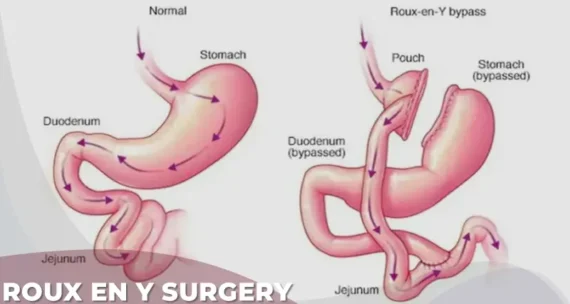
Gastric bypass surgery, also known as Roux-en-Y gastric bypass, involves several key steps and surgical methods to achieve weight loss and changes in digestive function. The primary surgical methods used in gastric bypass surgery include:
Creation of a Small Stomach Pouch: The surgeon divides the top of the stomach, creating a small pouch that will serve as the new, reduced-capacity stomach. This pouch is typically about the size of a walnut and significantly smaller than the original stomach.
Division of the Small Intestine: The surgeon then divides the small intestine into two sections: the upper section (the “Roux limb”) and the lower section. The upper section is connected to the small stomach pouch created in the first step.
Gastrointestinal Reconstruction: The next step involves rerouting a portion of the small intestine and connecting it to the small stomach pouch, forming what is called the “Roux limb.” This allows food to bypass the lower stomach and the first portion of the small intestine (duodenum), thereby altering the path of food through the digestive system.
Creation of the Anastomosis: Surgical connections, known as anastomoses, are made to ensure the proper flow of food and digestive juices. The surgeon typically creates an anastomosis between the small stomach pouch and the Roux limb of the small intestine, as well as between the lower part of the small intestine and the Roux limb, allowing the digestive processes to continue in the lower small intestine.
The combination of these surgical methods results in a significant reduction in the functional volume of the stomach, changes in the digestive processes, and alterations in nutrient absorption. Gastric bypass surgery aims to promote weight loss by restricting food intake and causing malabsorption of nutrients, leading to changes in hormonal signaling related to appetite and satiety.
It’s important to note that gastric bypass surgery is a complex procedure that requires thorough pre-operative evaluation, careful post-operative management, and long-term lifestyle modifications to ensure optimal outcomes and patient safety. Individuals considering gastric bypass surgery should consult with a qualified bariatric surgeon to discuss the surgical processes, potential risks, expected benefits, and post-operative care requirements.

Here are the most commonly asked questions related to gastric bypass surgery:
Yes, gastric sleeve surgery can also be a suitable option for individuals with type 2 diabetes, including those who are obese and looking to improve their diabetes management. While gastric sleeve surgery primarily focuses on reducing the size of the stomach to promote weight loss, it can also have beneficial effects on diabetes control. Here are some key points to consider regarding gastric sleeve surgery for individuals with diabetes:
The amount of weight loss achievable with gastric sleeve surgery can vary from person to person and is influenced by various factors, including individual characteristics, adherence to post-operative guidelines, lifestyle changes, and medical supervision. However, it’s important to note that gastric sleeve surgery has been shown to be an effective tool for significant and sustained weight loss in many individuals.
The duration of a gastric sleeve surgery, also known as sleeve gastrectomy, typically ranges from 1 to 2 hours. However, the exact length of the procedure can vary based on several factors, including the surgeon’s experience and technique, the patient’s individual anatomy, any additional procedures performed simultaneously, and potential complications encountered during surgery.
Both gastric sleeve surgery and gastric bypass surgery are effective bariatric procedures that can help individuals achieve significant weight loss and improve obesity-related health conditions. The choice between gastric sleeve surgery and gastric bypass depends on various factors, including individual health status, weight loss goals, preferences, and the recommendation of healthcare providers. Here are some key differences between the two procedures to consider:
Gastric Sleeve Surgery:
Gastric Bypass Surgery:
Ultimately, the decision between gastric sleeve surgery and gastric bypass should be made in consultation with a healthcare provider, considering individual health needs, preferences, and treatment goals. Both procedures have proven successful in helping individuals achieve weight loss and improve their overall health, but the suitability of each option may vary based on the specific circumstances of the patient. It’s essential to discuss the benefits, risks, and expected outcomes of each procedure thoroughly before making a decision.
Gastric sleeve surgery, like any surgical procedure, carries certain risks and potential complications. It’s important for individuals considering this type of surgery to be well-informed about the associated risks and benefits. Here are some considerations regarding the potential risks of gastric sleeve surgery:
Surgical Risks: All surgeries come with inherent risks related to anesthesia, infection, bleeding, and blood clots. These risks are typically minimized through careful pre-operative evaluation and post-operative monitoring by an experienced surgical team.
Postoperative Complications: Some individuals may experience specific complications related to gastric sleeve surgery, such as gastric leaks, strictures, or other issues associated with the reshaping of the stomach. However, these complications are relatively rare when the procedure is performed by skilled surgeons in appropriate medical facilities.
Long-Term Nutritional Considerations: After gastric sleeve surgery, individuals must make significant adjustments to their diet and lifestyle. There is a risk of nutritional deficiencies, particularly if dietary guidelines and supplementation recommendations are not followed as instructed by healthcare providers. Regular monitoring and nutritional support can help mitigate these risks.
Gastroesophageal Reflux Disease (GERD): Gastric sleeve surgery can potentially exacerbate or trigger gastroesophageal reflux disease in some individuals. This is a consideration for those with preexisting GERD or related conditions. However, for some individuals with obesity-related GERD, the surgery may actually alleviate symptoms.
Weight Regain: While gastric sleeve surgery can lead to significant weight loss, there is a risk of weight regain over time if dietary and lifestyle modifications are not maintained. Long-term success often requires ongoing commitment to healthy eating and physical activity.
Individual Health Factors: The overall risks associated with gastric sleeve surgery can vary based on individual health factors, such as preexisting medical conditions and the patient’s overall health status. It’s important for healthcare providers to thoroughly evaluate each patient’s candidacy for the procedure.